

Products from Fruit-Peel Waste
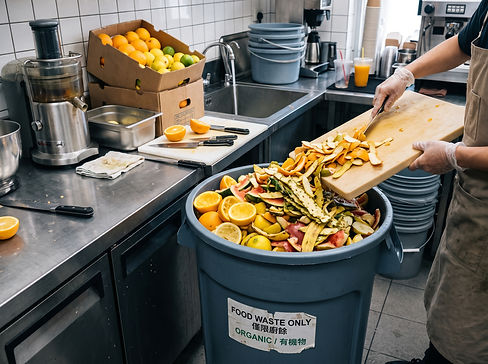
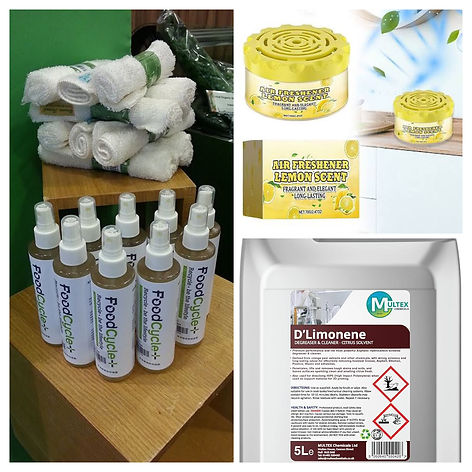
Fruit peel left from foodservice and juice processing can yield limonene and related extracts. Those extracts are made into solid or gel air fresheners, and into citrus-solvent cleaners and degreasers.
Feedstock: fruit-peel waste
Peel waste mainly comes from juice plants, foodservice and fresh-cut produce processing. Citrus peels such as orange peel contain useful essential-oil fractions; limonene is a common one.
What it can become
-
From peel extracts, common product directions include:
-
Fragrance products: solid or gel air fresheners with lemon or other citrus scents; some labels state that the scent comes from limonene extracted from natural fruit.
-
Cleaning and degreasing: citrus-solvent cleaners and degreasers that state they are derived from orange-peel extracts, used on grease, asphalt, waxes and adhesives.
How the loop works
-
Collection: Peel is collected from juice plants, foodservice and processing sites.
-
Extraction: Usable fractions such as limonene are extracted from the peel; the method depends on the project.
-
Formulation: Extracts are made into fragrance products, or into citrus-solvent cleaning products.
-
Use: At home, in commercial sites or in industrial cleaning.


Suitable uses
-
Circular display: showing that peel can become fragrance and cleaning feedstock, not only food waste
-
Education: explaining “peel → limonene → finished product” with samples or product categories
-
Where it fits: hotels, malls and foodservice can turn peel waste into these fragrance or cleaning products